Introduction: Loud Isn’t Always Lasting
In a world of saturated media, constant stimulation, and bold trends, subtlety may seem like a design afterthought. But in reality, it’s often the quietest design decisions that create the strongest emotional impact. Subtle design isn't minimalism for minimalism's sake—it's a thoughtful balance of presence and absence. It is the "secret sauce" that gives a space, a brand, or a product its long-term resonance and soul.
What Is Subtle Design?
Subtle design is not about a lack of effort; it’s about intention, nuance, and restraint. It is a design philosophy rooted in the idea that elegance doesn’t need to be loud to be noticed. It’s the "whisper" that commands more attention than a shout.
In a physical environment, subtle design reveals itself through:
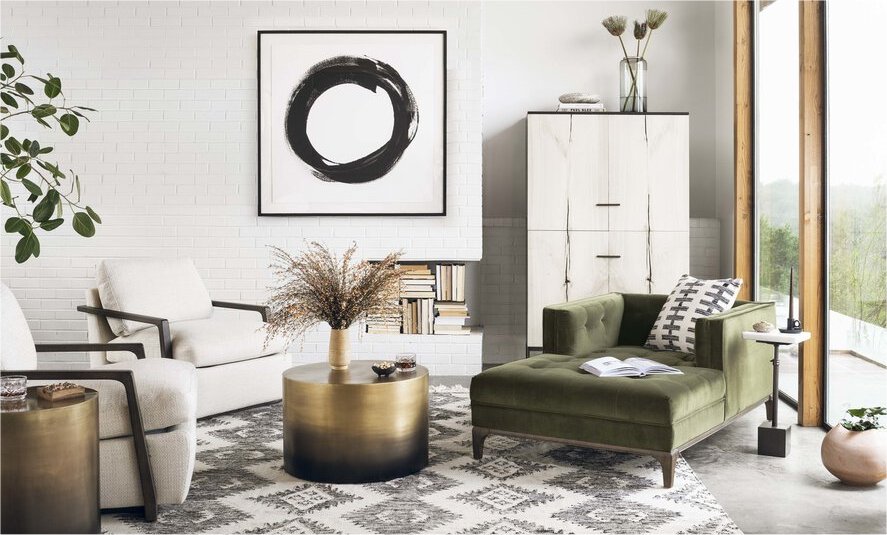
- Living Materials: Natural woods and stones that develop a beautiful patina over time.
- Shifting Palettes: Neutral tones that change character as the daylight moves across the room.
- Soft Transitions: Moving between different textures (like linen to bouclé) rather than using jarring color contrasts.
- Atmospheric Lighting: Light that shapes the mood and "hugs" the corners of a room without stealing focus.
Why Subtlety Works
Why do we find ourselves drawn to the understated?
- It Builds Trust: Designs that feel intuitive and balanced instill a sense of credibility. You don’t always notice why you feel comfortable in a well-designed space—you just do.
- It Creates Longevity: Trendy, high-contrast styles catch the eye quickly but burn out just as fast. Subtle design stands the test of time, gracefully adapting to changing seasons without becoming "dated."
- It Encourages Discovery: Rather than overwhelming the viewer, it invites them to lean in. It leaves room for reflection, curiosity, and a deeper emotional connection.
The Emotional Intelligence of the Understated
Every design communicates—and subtle design communicates with empathy. It considers how people move, think, and feel within a space.
- In Hospitality: Subtle lighting and tone-on-tone finishes signal the brain to decompress and relax.
- In Workspaces: Reducing visual "clutter" and high-contrast distractions can significantly enhance focus and cognitive clarity.
- In Branding: Refined typography and curated color stories evoke a sense of heritage and sophistication.
Subtlety is sensory. It connects through texture, sound, scale, and pace. When done well, people may not be able to describe exactly what they love about a design—but they will feel it deeply.
How to Apply Subtlety in Your Projects
To bring the power of the understated into your own work, start with a clear sense of purpose.
- Identify the Emotion: Understand the emotional tone you want to create before you pick a color or a piece of furniture.
- Edit Ruthlessly: Focus on refinement. Remove anything that doesn't serve the core message or the user’s experience.
- Balance Harmony and Contrast: Use soft variations in material or sheen (matte vs. gloss) to create "quiet" visual interest.
- Consider Every Sense: Think about the "spatial rhythm"—how does the floor feel? How does the room sound?
Conclusion: Less That Means More
Subtle design doesn’t chase attention—it earns it. It rewards those who pause, notice, and engage. In a world that is increasingly loud and fast, subtlety offers a breath of calm, clarity, and sophistication. In that quiet confidence lies its greatest power.