Introduction: Light is the invisible architecture
In the world of interior design, we often focus on what we can touch—marble countertops, velvet sofas, or white oak flooring. But the most transformative element of any space is the one you cannot hold: light. Custom lighting is not merely about choosing a pretty fixture; it is about the mastery of atmosphere. It is the invisible architecture that dictates how we perceive volume, color, and comfort within a home.
What is custom lighting?
Custom lighting is the departure from "one-size-fits-all" illumination. It is a bespoke approach that treats light as a functional tool and an artistic medium simultaneously. It moves beyond the standard overhead grid to create a layered, purposeful environment.
In a well-designed home, custom lighting reveals itself through:
- Integrated Joinery: Hidden LEDs that make shelving appear to float.
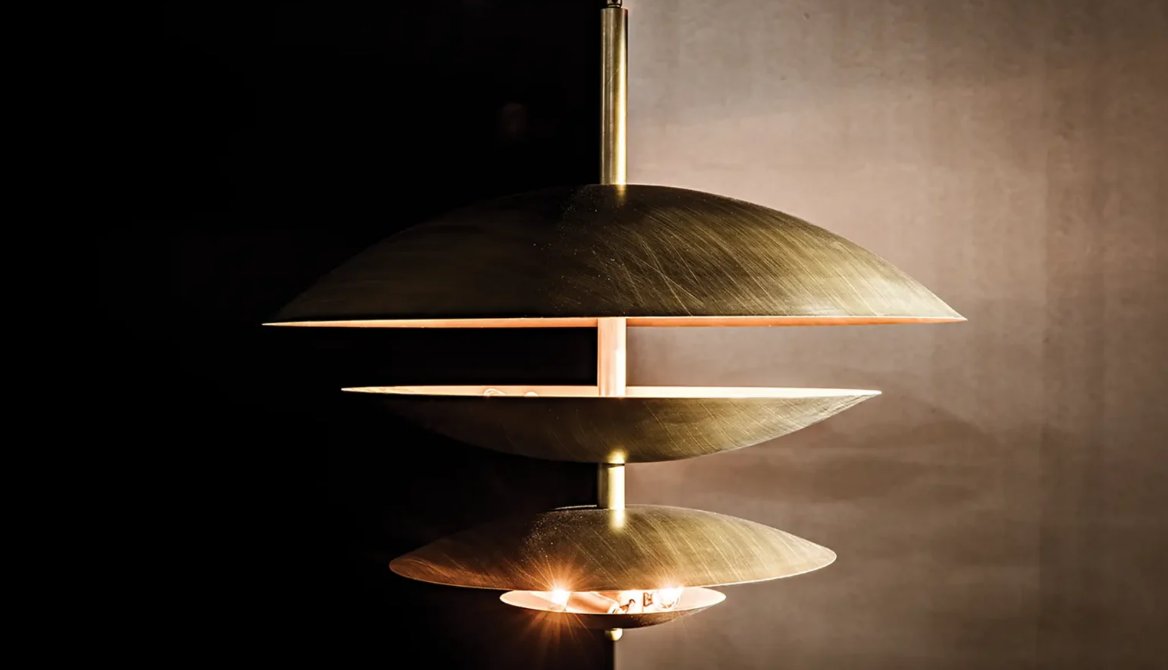
- Sculptural Statements: Bespoke fixtures designed to fit the specific scale and proportions of a room.
- Circadian Programming: Smart systems that mimic the natural shift of sunlight from dawn to dusk.
- Zoned Intimacy: The ability to highlight a single piece of art while leaving the rest of the room in a soft, restful shadow.
Why custom lighting works
It defines the narrative of a room.Standard lighting often flattens a space, stripping away depth. Custom lighting creates "visual hierarchy," telling the eye exactly where to land. It can make a cavernous hall feel intimate or a small galley kitchen feel expansive and airy.
It enhances well-being.Light dictates our biology. Custom solutions allow for "human-centric" design—warmer tones in the evening to trigger melatonin and cooler, crisper light in the morning to spark productivity. When lighting is tailored to your lifestyle, the home becomes a sanctuary for your nervous system.
It elevates materials.The most expensive stone or the finest wood grain can look dull under poor lighting. Custom-engineered beam angles and color rendering indices (CRI) ensure that the textures and tones you’ve invested in are seen in their truest, most vibrant form.
The emotional intelligence of custom lighting
Light is the fastest way to change how a person feels. It is the difference between the sterile glare of a pharmacy and the golden, inviting hum of a high-end lounge.
- In the Dining Room: Soft, low-level pendants create a "pool" of light that draws people together, encouraging longer conversations.
- In the Primary Suite: Recessed, dimmable toe-kick lighting allows for safe movement at night without the jarring shock of a bright overhead lamp.
- In the Home Gallery: Precision-aimed accent lights treat personal collections with the same reverence found in a museum.
Custom lighting doesn't just show you where to walk; it tells you how to feel when you arrive.
How to apply custom lighting in your projects
To successfully implement custom lighting, you must look beyond the bulb. Start by identifying the primary tasks of each room—where will you cook, where will you read, and where will you rest?
Focus on layering: combine ambient (general), task (functional), and accent (decorative) lighting to create depth. Use high-quality dimmers and smart controls to give yourself total mastery over the intensity of the environment. Most importantly, consider the color temperature; consistency is key. Mixing cool office lights with warm living room glows can create a sense of visual "vibration" that causes unease. When in doubt, aim for warmth and hidden sources that glow rather than glare.
Conclusion: The glow of intentionality
A home without custom lighting is like a painting kept in the dark. You might know what’s there, but you can’t truly experience its beauty. By treating light as a primary building material rather than a final accessory, you imbue a space with soul and sophistication. Custom lighting doesn't just illuminate a room—it brings it to life.