The Symbiosis of Space: Balancing Scale, Color, and Texture
In an era of saturated media and "blink-and-you’ll-miss-it" trends, finding equilibrium in a room can easily be mistaken for an afterthought. However, the most enduring designs aren't those that rely on a single "hero" element, but those that master the sophisticated dance between visual scale, color, and texture. This balance creates a resonance that lingers long after the initial glance, transforming a house into a curated home.
What Defines Balanced Design?
Achieving balance is the practice of intentional restraint. It moves away from the "loud" and leans into how different elements converse with one another. In a physical space, this philosophy manifests through:
- Proportional Scale: Using furniture and decor that respect the volume of the room, ensuring pieces feel grounded rather than crowded.
- Harmonious Color: Palettes that use tonal depth rather than jarring shifts to guide the eye smoothly across the horizon.
- Tactile Layering: Using a change in material weight (e.g., a heavy stone table against a soft, low-pile rug) to create interest without visual clutter.
- Spatial Rhythm: The "breathing room" or negative space left between objects that allows the architecture to speak.
The Core Principle: Balanced design invites the observer to experience the cohesion of the room before they begin to analyze the individual components.
Why the Balanced Approach Wins
Why do we find ourselves drawn to spaces that feel "just right" even if they lack bold patterns?
- It Builds Instinctive Calm: When scale and color are in alignment, the brain doesn't have to work to "solve" the room. This intuitive environment creates immediate ease.
- It Defies the Calendar: High-contrast trends often burn bright and fade fast. A balanced room is timeless; it allows your lifestyle to evolve without the backdrop ever feeling "dated."
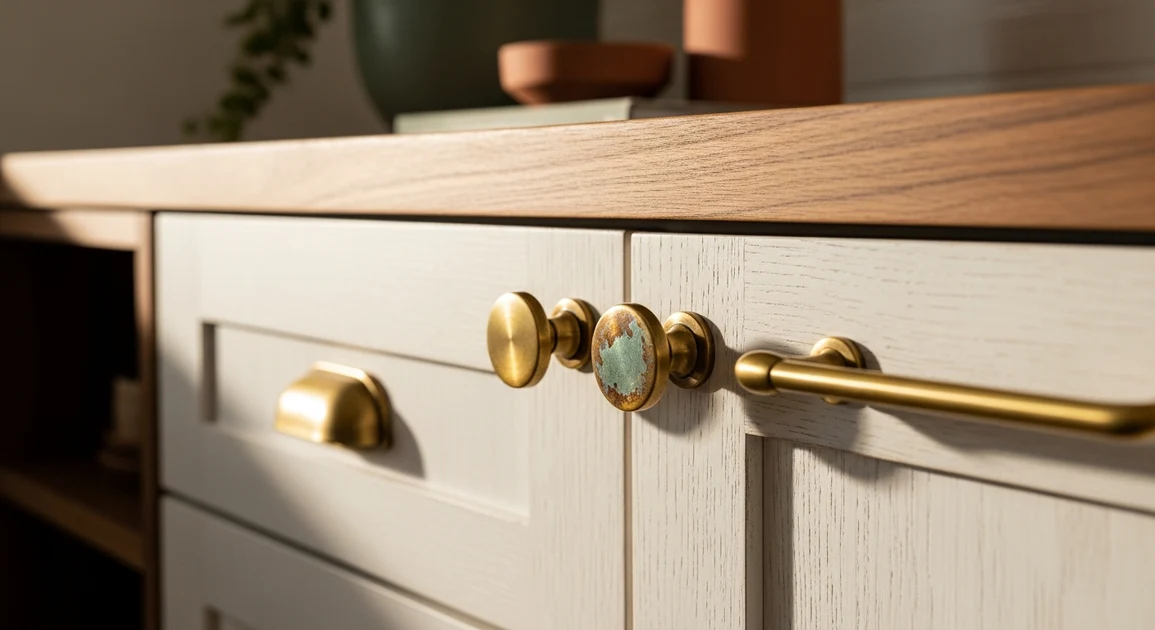
- It Rewards Discovery: Instead of overwhelming the senses with one loud color, balance leaves room for curiosity. It invites the viewer to lean in and notice the grain of the wood or the weave of the fabric.
The Emotional Intelligence of Symmetry
Every design choice is a form of communication. A balanced room communicates with empathy, prioritizing how a human actually moves through a space over visual gymnastics.
- In Living Areas: Matching the scale of a sectional to the fireplace creates a sense of structural security and warmth.
- In Transitions: Using the color of wood stains from cabinetry in the rug underfoot creates a "visual anchor" that makes a home feel connected.
- In Personal Sanctuaries: Subtle textures—like tan leather paired with solid-colored wool—promote tactile relaxation and sensory grounding.
By engaging the senses—scale, color, and touch—balanced design creates a "gut feeling" of quality that people often can't describe, but can certainly sense.
How to Practice the Art of Balance
Applying this to your own projects requires a shift in perspective. It’s about refinement over addition.
- Start with Scale: Ensure your largest pieces (like a sofa) fit the architectural lines of the room, such as facing a fireplace or aligning with a window.
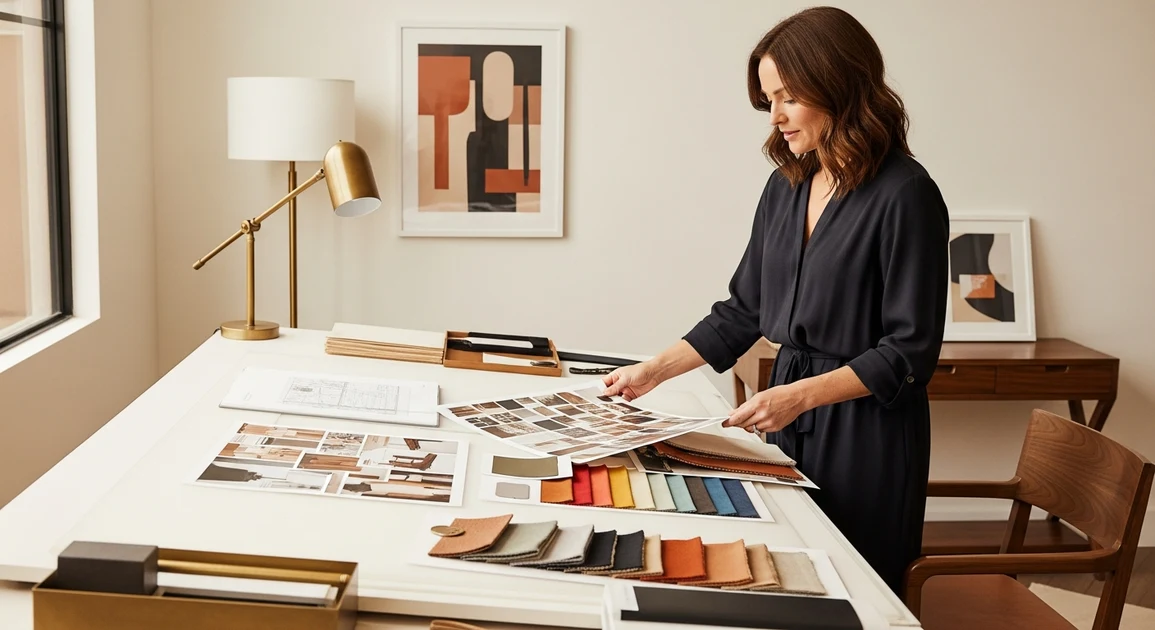
- Edit Your Palette: Choose a primary tone—perhaps a wood stain or a favorite neutral—and repeat it in different textures to create a cohesive thread.
- Seek Micro-Contrasts: Rather than opposite colors, look for variations in "weight." Pair a solid, heavy wood coffee table with a light, textured rug.
- Listen to the Room: Observe where the light falls. Use darker textures in sun-drenched spots to absorb light and create depth.
Conclusion: The Power of Equilibrium
Balanced design doesn’t chase the spotlight; it earns its place through quiet confidence. In a world that is increasingly loud and fast, the understated harmony of scale, color, and texture offers a rare commodity: a breath of clarity. It rewards those who take the time to notice, proving that sometimes, the perfect balance truly does mean "more."